Blackened Skies
When The Plains Went Dark
In the early 1930s, midday could look like midnight across the American Great Plains. Dust storms arrived without warning, turning fields into air, sliding under doors, and covering dinner plates. This was the Dust Bowl, one of the most dramatic environmental collapses in modern U.S. history, and it happened in the nation’s breadbasket.
The setting was a vast grassland built for drought and wind. Deep-rooted prairie plants held the soil in place for centuries. Then the plows arrived at industrial scale. New steel plows, cheap land, and high wheat prices during World War I pushed farmers to tear up the native grasses. When rain came, the gamble paid off. When it stopped, the soil had nothing left to hold it down.
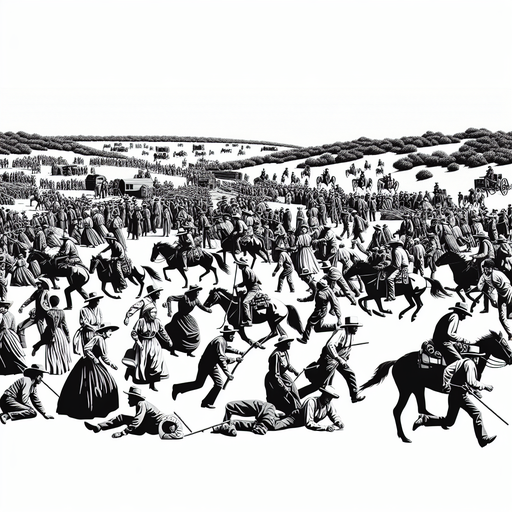
The drought began in 1931 and lasted through most of the decade. Without grass cover, topsoil dried and loosened, and the winds did the rest. The worst single day came on April 14, 1935, a storm later called Black Sunday. A wall of dust swept across the southern Plains, turning afternoon to darkness and choking towns in minutes. People called the storms “black blizzards.” Dust pneumonia sickened and killed thousands. Farms failed by the hundreds of thousands, and families packed up and headed west, reshaping labor and demographics in places like California almost overnight.
The Dust Bowl stands out for the scale of the response. The federal government stepped in with the New Deal, paying farmers to leave land fallow, promoting crop rotation, and planting shelterbelt windbreaks. Soil conservation became a formal science. The land recovered not because the climate changed, but because farming practices did. The Dust Bowl was not just a drought; it showed how quickly soil can fail when it is pushed past its limits.
Craving more? Check out the source behind this Brain Snack!