Australian Ballot
How a Simple Innovation Changed Democracy
Your vote is secret. That is a familiar phrase when we talk about democratic elections. But this was not always the case. In fact, secrecy only emerged in the nineteenth century. The first modern secret-ballot election took place in the late 1800s in the United Kingdom, and although it caused plenty of confusion at first, it soon became a cornerstone of democracy.
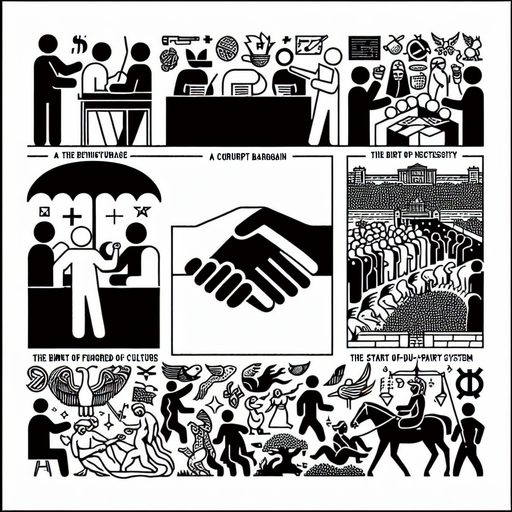
Before that, elections were mostly conducted orally. You stood before an official and declared your vote out loud, which meant everyone around could hear it. That setup encouraged corruption because votes could be bought, pressured, or openly manipulated. In the 1850s, colonial governments in the Australian provinces of Victoria and South Australia tried a different approach. They introduced standardized printed ballots and private booths where voters could mark their choices without being observed.
After seeing the success of the Australian system, Britain began debating the reform. The decisive step came with the Ballot Act of 1872, which required secret voting in parliamentary and local elections and introduced rules that feel surprisingly modern, such as official ballots, private voting compartments, and sealed boxes protected by law. The early years were messy. Voters had to be taught how to use paper ballots, including basic points like not choosing two candidates or giving more than one vote to a single person.
Despite the initial turbulence, the system took hold. The age of buying votes with cash, alcohol, or intimidation began to collapse once no one could verify how someone had voted. Power shifted from those who controlled voters to the voters themselves. Today, from national elections to local councils, we still depend on this nineteenth century innovation to protect the freedom of choice.
Craving more? Check out the source behind this Brain Snack!