Every year, hundreds of thousands of people lace up their boots and set off on dusty trails winding through northern Spain. Some are driven by faith, others by adventure, and many by a yearning they can’t quite name. They are all walking the Camino de Santiago, an ancient pilgrimage to the shrine of Saint James that has been traversed for more than a thousand years. What began as a medieval act of devotion has become a global journey of self-discovery.
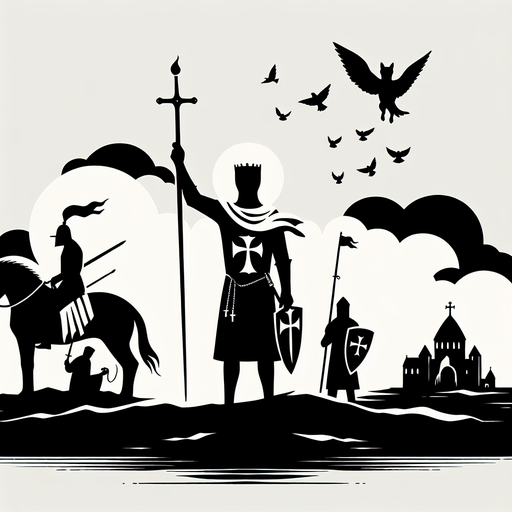
The story starts in the 9th century, when a Galician hermit claimed to have discovered the tomb of the apostle James, who, according to legend, had preached in Iberia before his martyrdom in Jerusalem. King Alfonso II of Asturias made the first recorded pilgrimage to the site, cementing Santiago de Compostela as a holy destination. By the Middle Ages, the Camino rivaled Rome and Jerusalem as one of Christianity’s great pilgrim routes.
The Camino reached its golden age in the 11th and 12th centuries, aided by monasteries, hospices, and bridges built to support travelers. Pilgrims carried a scallop shell, still the route’s enduring symbol, as proof of their journey, while churches along the way displayed miraculous relics to inspire weary souls. Yet the trail’s importance faded with the Reformation, wars, and the rise of modern transport. For centuries, the once-crowded paths grew quiet, their stones walked mostly by locals and the rare romantic wanderer.
In the late 20th century, however, the Camino experienced an astonishing rebirth. Declared a UNESCO World Heritage Site, it was promoted by Spain as both a spiritual and cultural treasure. Today, it attracts seekers of all kinds: devout Catholics, gap-year travelers, retirees, and burned-out professionals chasing clarity. To walk the Camino is to trace history with every step: passing Roman roads, Gothic cathedrals, and villages that still live at pilgrim pace.
Craving more? Check out the source behind this Brain Snack!