Smelling Tongue
Forked Tongue of Snakes's Secret
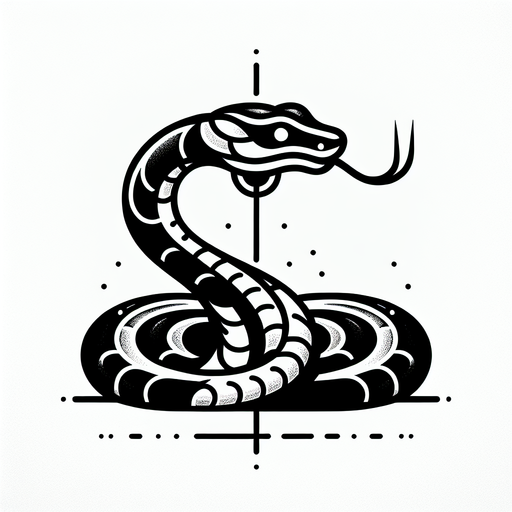
The forked tongue of snakes is one of the most recognizable features of any animal, but most people don't realize its superpower. While humans use their tongues to taste, for snakes, their tongues serve as a super powerful smelling device that compensates for their relatively poor vision.
The forked tongue of a snake works together with the Jacobson's organ, also known as the vomeronasal organ, which is located in the roof of the snake's mouth. When a snake flicks its tongue, it collects airborne particles and small traces from the ground. After retracting the tongue, the snake inserts the two forks into the Jacobson's organ, which then analyzes these chemical cues.
The Y-shape of the tongue is crucial because it provides snakes with a form of stereo perception. Each fork of the tongue picks up slightly different chemical signals. By comparing the intensity of the signals received on each fork, a snake can determine the direction from which a smell is emanating. This ability is especially vital for hunting and navigation, as it allows snakes to track their prey or find mates by following pheromone trails.
The discovery of the purpose of the forked tongue was made in the 20th century. Philosophers since Aristotle have been wondering about it, mostly associating it with taste using anthropomorphic hypotheses. However, as nature continuously shows us, animals can sense the world in very different ways than we do.
Craving more? Check out the source behind this Brain Snack!