Digital Twin
What Saved the Apollo 13
The phrase "Houston, we've had a problem" sparked one of human spaceflight history's most intense problem-solving efforts: the Apollo 13 mission. Behind this crisis was a pioneering approach now integral to modern engineering—digital twin technology.
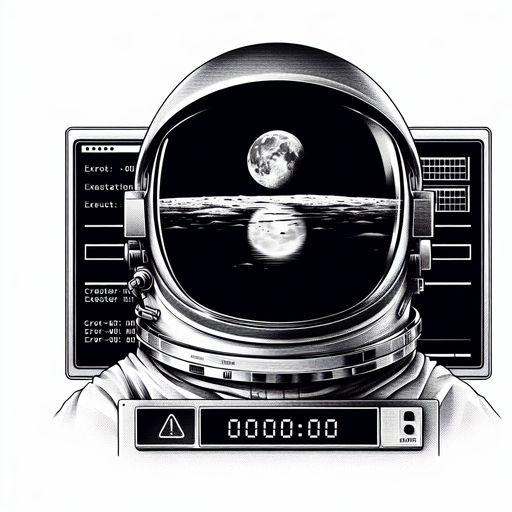
Apollo 13 was meant to be NASA's third moon-landing mission. However, an explosion in an oxygen tank caused a critical system failure, aborting the mission and putting the astronauts' lives in grave danger. Back on Earth, engineers had to find a solution to bring the crew home safely.
A physical twin of the Apollo 13 spacecraft existed at the mission control center in Houston, replicating the malfunctioning systems. This physical twin allowed ground-based engineers to troubleshoot the problem in real time, mimicking the conditions the actual spacecraft was experiencing. This practical testing resulted in a successful strategy that led the astronauts safely back to Earth.
This idea of replicating systems for troubleshooting and optimization laid the groundwork for what we now call 'digital twins.' Today, a digital twin refers to a virtual model of a process, product, or service that pairs the physical and digital worlds. It allows analysis of data and monitoring of systems to prevent problems before they occur, minimize downtime, and develop new opportunities. Digital twin technology is now used in many industries, from manufacturing and urban planning to healthcare.
Craving more? Check out the source behind this Brain Snack!