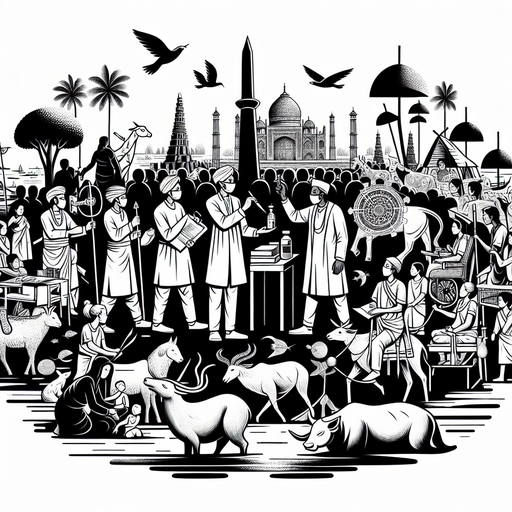
Life is full of uncertainties. Over the centuries, we've sought ways to mitigate the risks associated with these uncertainties, creating an essential financial tool: insurance. Although we may not think about it often, insurance is critical today. Without it, we wouldn't have access to things like mortgages or finance to start new businesses.
While there are examples of practices resembling insurance as far back as 3000 BC with Chinese Merchants, the real insurance explosion occurred during the 19th century. A significant contributor to this innovation was the Scottish Widows Fund, an insurance fund created in 1815, which is still in operation today. Following the Napoleonic Wars, seven Edinburgh men established this fund to support the widows and children of Scottish ministers.
The Scottish Widows Fund embodied the fundamental principle of insurance: spreading risk among many people to protect individuals against significant potential financial loss. Members would pool resources together, so when the fund created a safety net for families who lost their primary income earner, providing them with financial support. This mutual support system was revolutionary and laid the groundwork for the modern insurance industry.
Today, insurance has become a cornerstone of modern economies, representing as much as 10% of GDP in some economies like the United Kingdom. It covers a range of uncertainties, from health concerns to property loss and business disruptions to retirement security. The creation of insurance fundamentally altered society's approach to risk. It fostered a sense of personal security and enabled economic development by reducing the financial impact of adverse events.
Craving more? Check out the source behind this Brain Snack!