Lost City
The Underwater Chimneys that Whisper Earth’s Secrets
In 2000, as humanity crossed into a new millennium, it also discovered something underwater that might explain how life first emerged on Earth billions of years ago. More than 700 meters deep in the Atlantic Ocean, scientists found a mountain ridge with towers rising as high as 60 meters, a place that would come to be known as the Lost City.
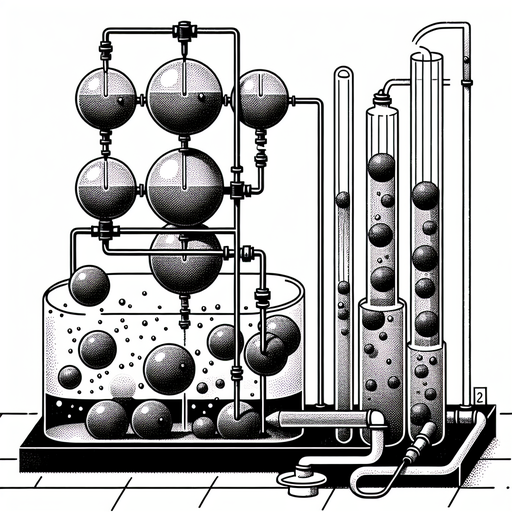
What made scientists so excited is that the Lost City showed life could exist without sunlight or volcanoes, only chemistry. Deep below the surface, seawater seeps into Earth’s crust, reacts with the surrounding rock, and rises again as warm, mineral-rich fluid. This natural process produces gases like hydrogen and methane, the very ingredients early life could have used for energy.
In other words, the Lost City revealed that our planet itself can act as a vast chemistry lab, transforming simple molecules into more complex ones: perhaps the first steps toward life. Similar vents may once have dotted the ancient seas where life first flickered into existence. And since then, researchers have spotted similar geological signatures on icy moons like Enceladus and Europa, hinting that the story might not be uniquely ours.
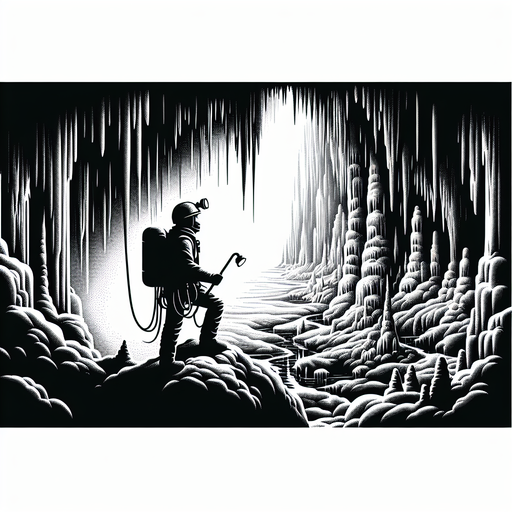
Today, Lost City still thrives in the dark, teeming with microbial colonies that feast on its mineral breath. It’s a time capsule, a living echo of Earth’s youth, quietly rewriting our assumptions about life’s origins. The deeper we dive into its labyrinth of limestone towers, the more it seems that the spark of life was not a miracle, but a chemical inevitability waiting for the right place to breathe.Go deeper: 'Lost City' Deep Beneath The Ocean Is Unlike Anything We've Seen Before on Earth - ScienceAlert.com
Craving more? Check out the source behind this Brain Snack!