Black Gold
The Backyard Experiment That Ignited the Oil Age
In the mid-1800s, before “petroleum” became synonymous with power and wealth, crude oil was seen with little interest. It seeped into water wells, spoiled crops, and fouled streams. Farmers cursed it, physicians bottled it as a dubious cure-all, and no one quite knew what to do with the sticky, smelly substance. Until one curious Pittsburgh entrepreneur named Samuel Kier changed history.
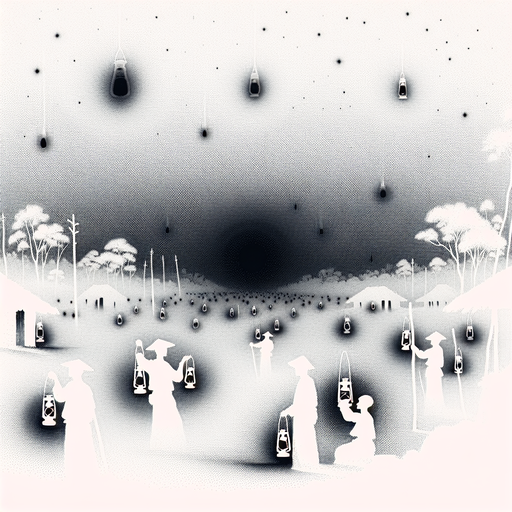
Kier’s moment came in the 1850s. His family owned salt wells, which often produced a bothersome byproduct: crude oil. Inspired by stories of whale oil shortages, he began tinkering with distillation equipment in a shed behind his house. By heating the crude and condensing its vapors, he created a cleaner-burning lamp fuel he called “carbon oil.” To market it, he even designed a special lamp with a narrow chimney to control the smoky flame. This backyard refinery is now considered the world’s first oil refinery.
Kier’s small-scale success inspired investors and engineers to pursue petroleum on an industrial level. Just a few years later, Edwin Drake drilled his famous well in Titusville, Pennsylvania, proving oil could be intentionally extracted in industrial quantities. From there, the oil boom exploded, reshaping global energy, industry, and geopolitics. What began as Kier’s basement chemistry experiment became the foundation of an empire of kerosene lamps, gasoline engines, and eventually, the entire modern petroleum economy.
Today, the world runs on oil. Samuel Kier never became as famous as Rockefeller or Drake, but his modest Pittsburgh refinery was the true spark. It is a testament that even the simplest laboratory, like someone’s backyard, can produce the most impactful discoveries.
Craving more? Check out the source behind this Brain Snack!