Place of Gold
How a Gold Rush Built a Metropolis from Scratch
Johannesburg became the largest city in South Africa, and one of the wealthiest in whole of Africa. It has towering skyscrapers, bustling streets, and millions of people. Hard to believe that it was founded just in late 19th century, showing incredible growth since. Johannesburg owes its birth entirely to the discovery of gold, becoming one of history’s most dramatic examples of how a single event can reshape geography and society overnight.
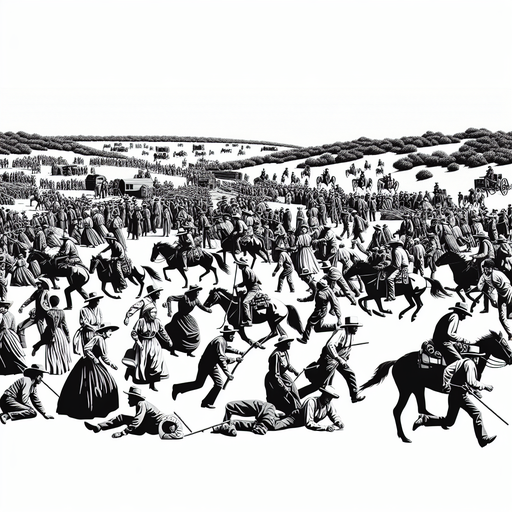
It all began in 1886 when Australian prospector George Harrison stumbled upon an outcropping of rock on a modest ridge in South Africa’s Witwatersrand region. After testing, Harrison confirmed the presence of gold, lots of it. News traveled swiftly, sparking the Witwatersrand Gold Rush. Within months, the sparsely inhabited landscape was swarmed by prospectors, entrepreneurs, and labourers, all eager to stake their claim in what would become the world’s largest goldfield.
The explosive growth transformed the Witwatersrand from rural farmland into a booming economic hub. By 1896, just a decade after Harrison’s find, Johannesburg had blossomed into a thriving city of over 100,000 residents, complete with telegraph offices, banks, theaters, and bustling markets. Massive mining operations reshaped the landscape, while investment from global financiers accelerated industrialization, laying the economic foundations for modern South Africa.
This extraordinary gold rush produced nearly half of all gold ever mined, making it one of history’s most significant mineral discoveries. Though the mines beneath the city have largely fallen silent, their legacy is unmistakable, as the infrastructure, wealth, and complexity of Johannesburg trace directly back to that first discovery in 1886. It's a striking reminder of how a little glitter in the dirt can change the course of history.
Craving more? Check out the source behind this Brain Snack!